Programs in Faridabad and NCR
Potential
Programs in Faridabad and NCR
Browse our range of specialized adult programs designed to meet individual therapeutic goals.
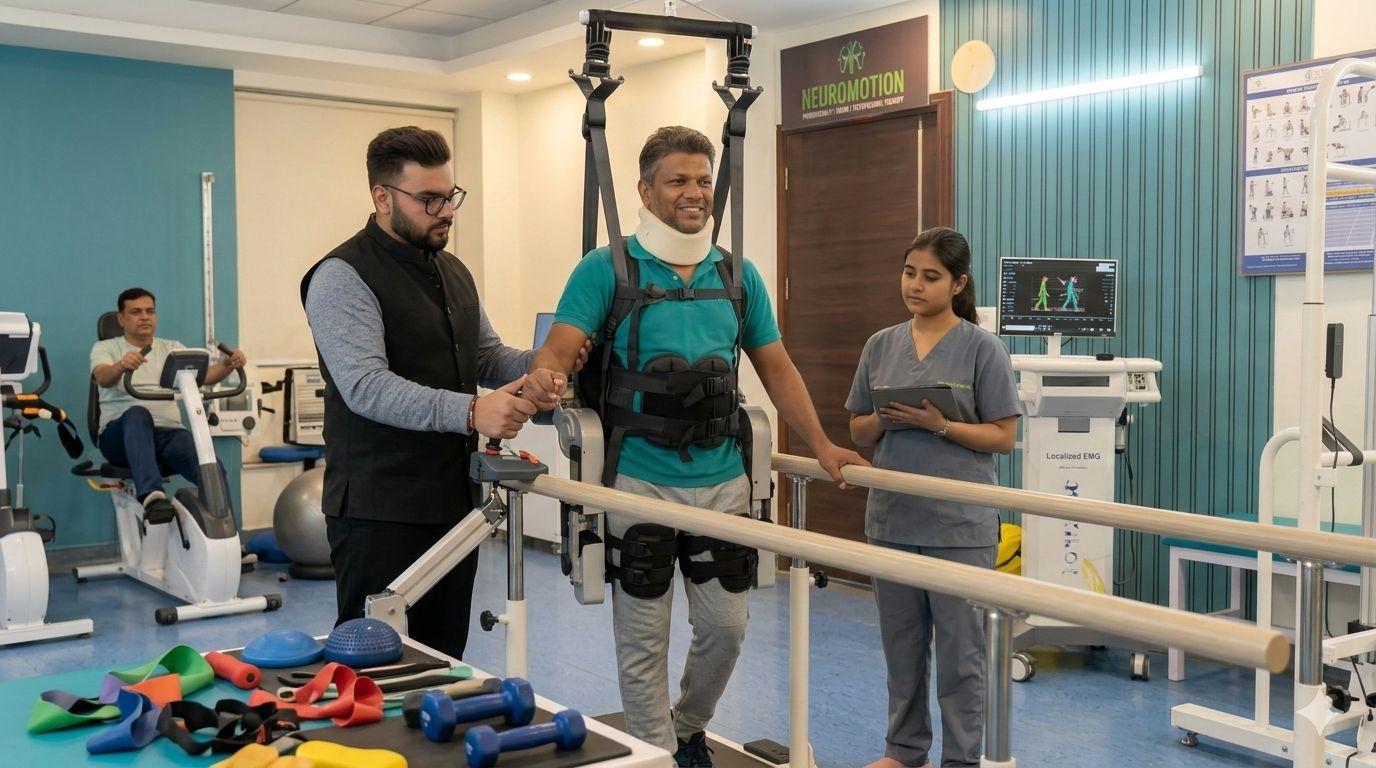
Stroke Recovery
Stroke rehabilitation focuses on restoring movement, strength, balance, speech, and functional independence after a stroke. At Neuromotion, our multidisciplinary approach combines physiotherapy, robotic gait training, task-specific exercises, and neurorehabilitation techniques. Treatment begins with a detailed assessment to identify motor weakness, spasticity, balance deficits, and functional limitations. Therapy aims to retrain the brain through repetitive, goal-oriented activities that promote
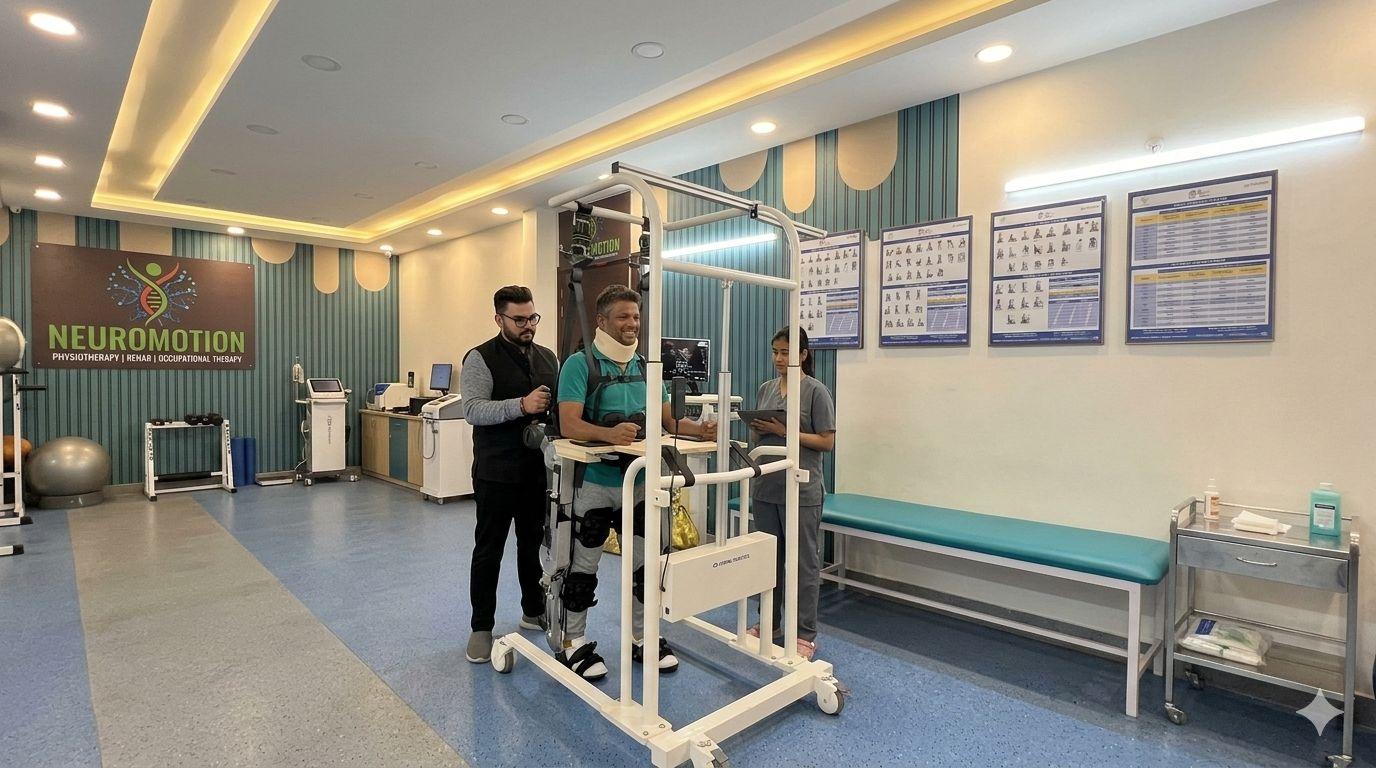
Robotic Exoskeleton Based Rehabilitation
Robotic exoskeleton–based rehabilitation is an advanced therapy that helps individuals relearn walking and improve mobility after neurological or spinal conditions. This technology-assisted approach provides body-weight support and guided movement patterns, enabling safe and repetitive gait training. At Neuromotion, robotic exoskeleton therapy is used for patients with stroke, spinal cord injury, brain injury, multiple sclerosis, and other mobility impairments. The system promotes neuroplasticity by stimulating the brain and spinal pathways through precise, repetitive movement. Benefits include improved walking ability, better posture, enhanced muscle strength, and increased confidence. Sessions are supervised by trained physiotherapists who customize the intensity and progression based on each patient’s condition. Robotic rehabilitation is especially valuable in early recovery but also effective in chronic cases, helping patients achieve greater independence and functional mobility.
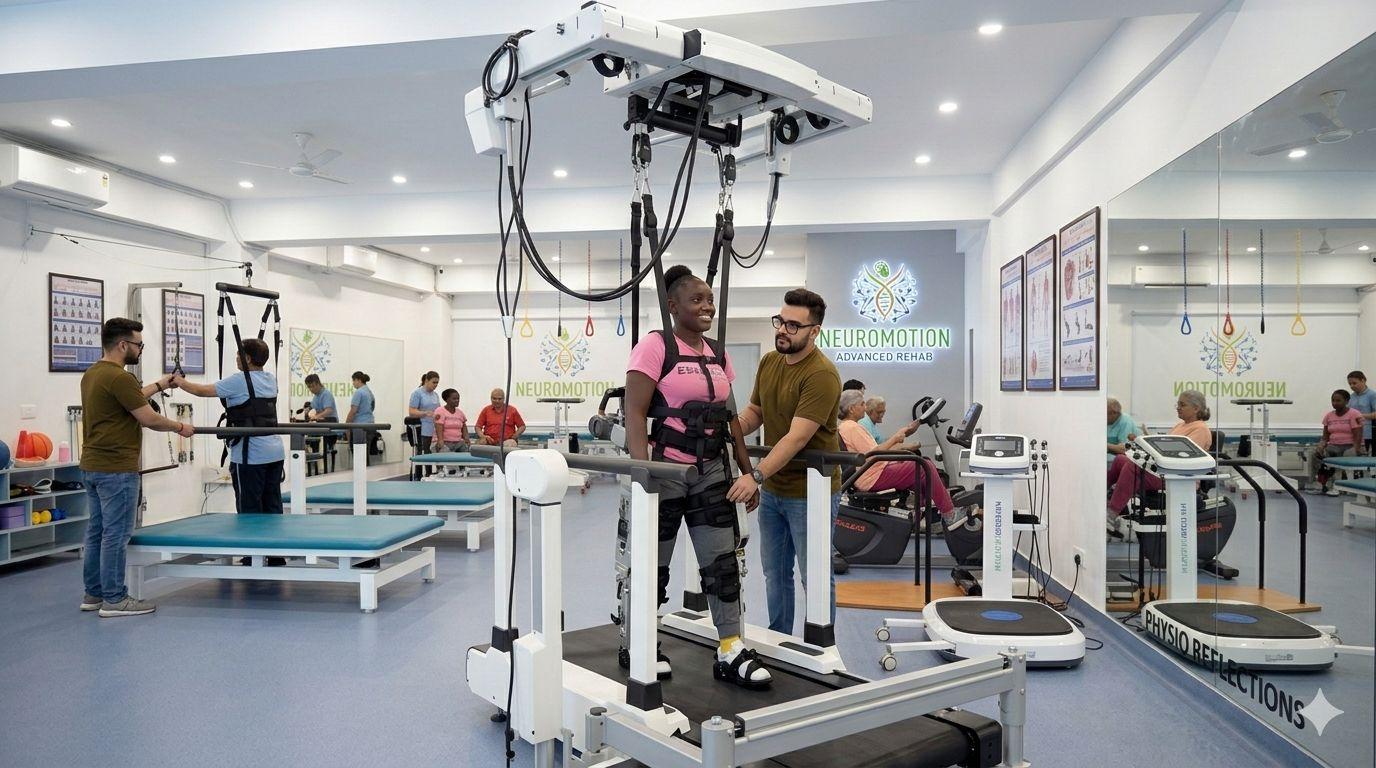
Spinal Cord Injury Recovery
Spinal Cord Injury (SCI) rehabilitation focuses on maximizing functional recovery, mobility, and independence following damage to the spinal cord. At Neuromotion, therapy programs are individualized based on the level and completeness of injury. Interventions may include robotic exoskeleton training, body-weight–supported treadmill training, strengthening exercises, balance training, and functional electrical stimulation. The primary goals are to improve sitting balance, transfers, standing tole
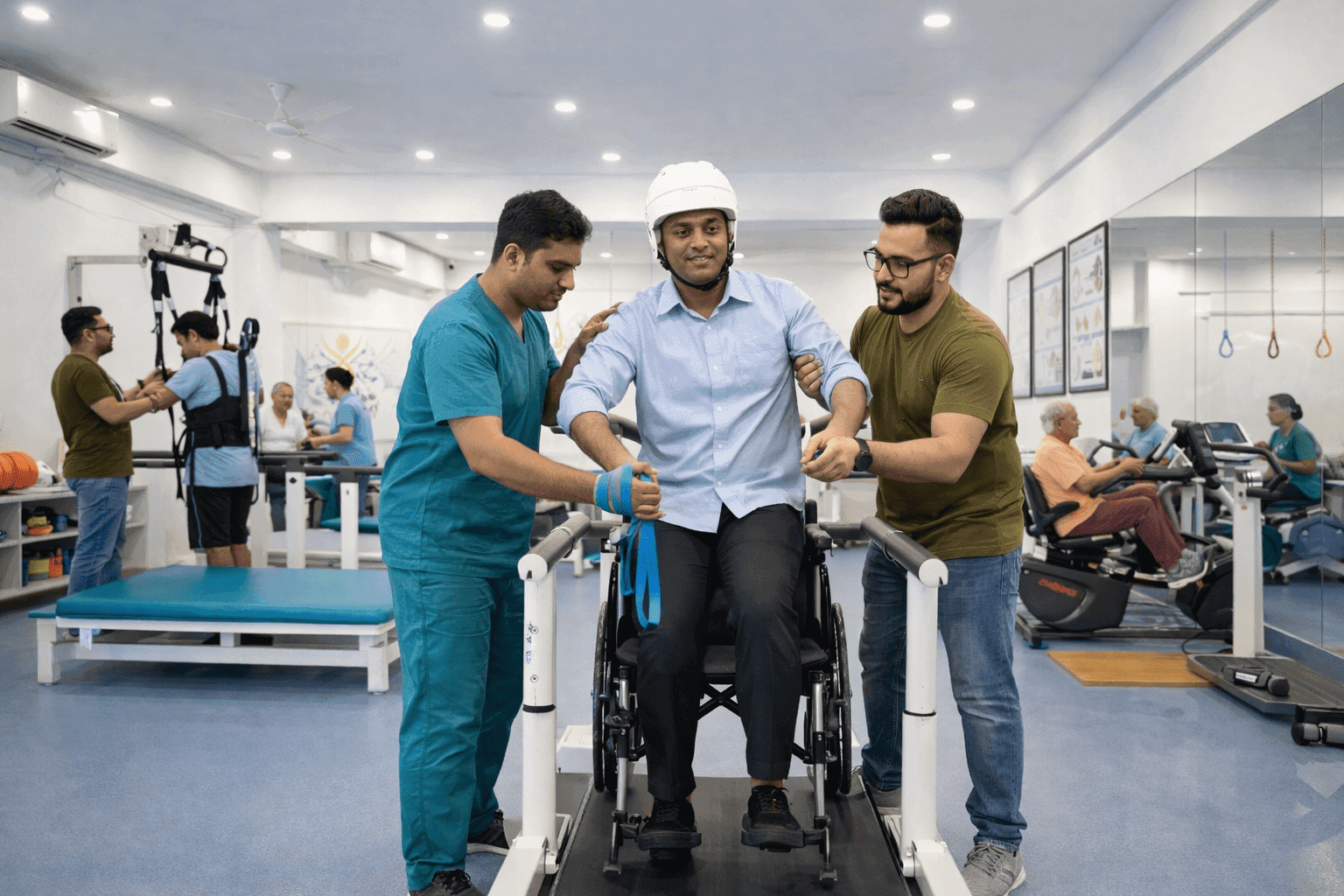
Brain Injury Recovery
Brain injury rehabilitation supports individuals recovering from traumatic or acquired brain injuries affecting movement, balance, cognition, and daily function. At Neuromotion, we use a comprehensive neurorehabilitation approach combining physiotherapy, balance training, gait re-education, cognitive-motor integration, and robotic-assisted therapy when appropriate. Treatment is tailored to address muscle weakness, coordination problems, spasticity, and reduced endurance. Therapy emphasizes repet
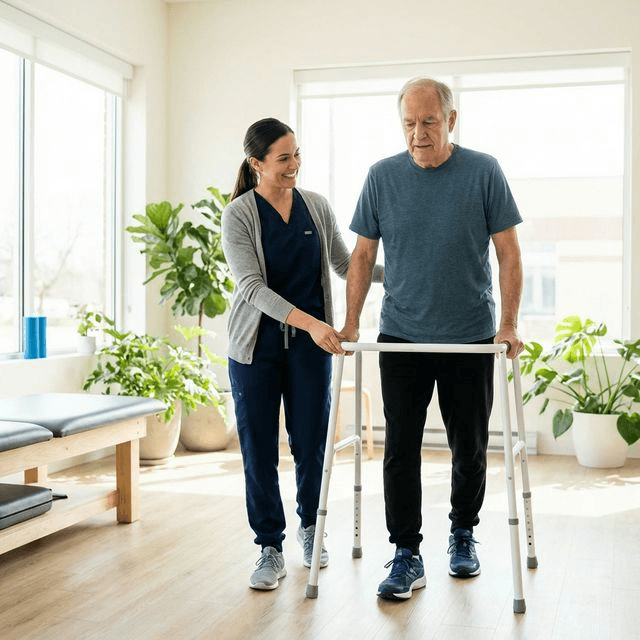
Dynamic Movement Intervention
Specialized Dynamic Movement Intervention services for children.
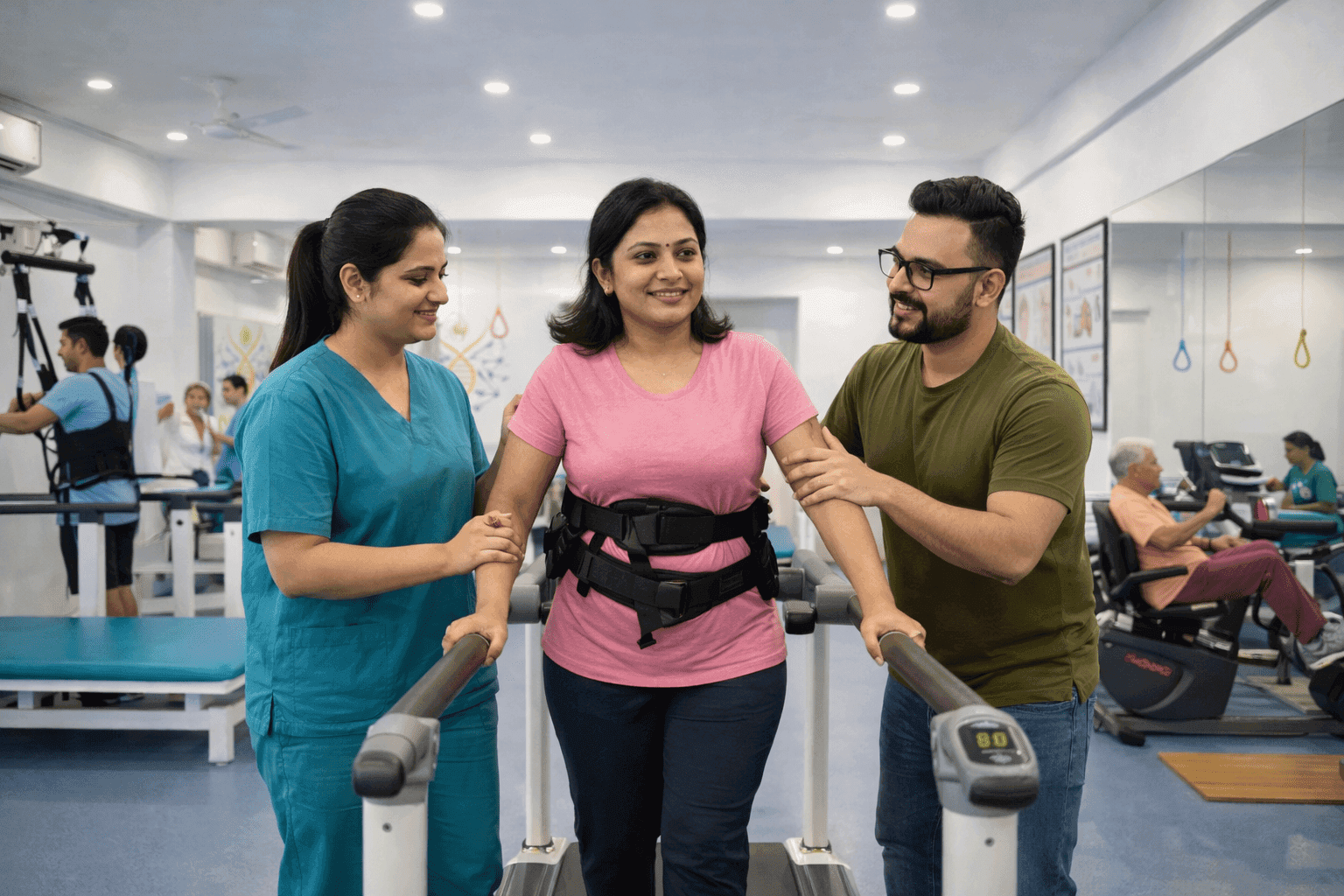
Multiple Sclerosis
Physiotherapy for Multiple Sclerosis (MS) focuses on maintaining mobility, managing fatigue, improving balance, and preserving functional independence. At Neuromotion, treatment plans are customized based on disease stage and symptom presentation. Therapy may include strength training, balance exercises, gait training, stretching, energy conservation techniques, and robotic-assisted walking when needed. Special emphasis is placed on fatigue management, fall prevention, and maintaining flexibilit
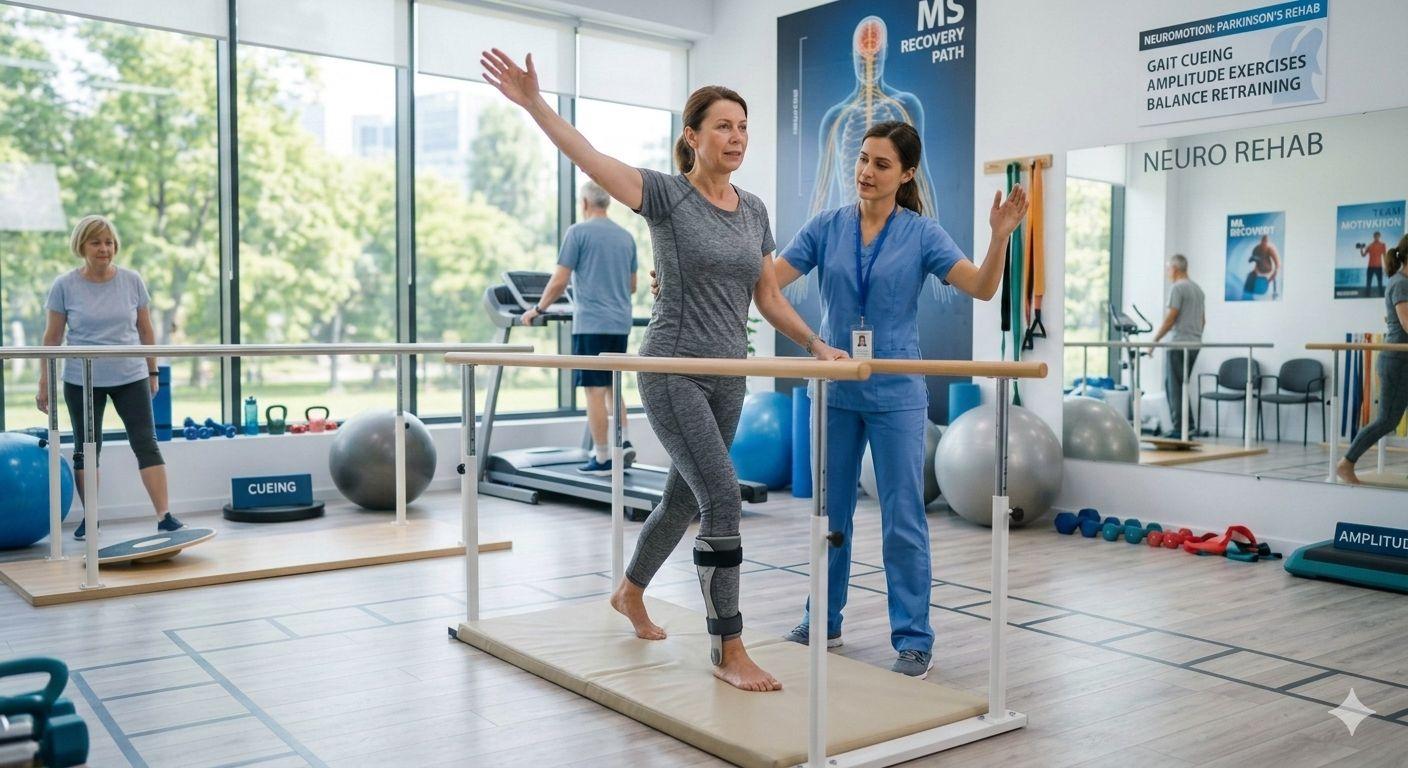
Parkinson’s Disease Therapy
Physiotherapy for Parkinson’s disease aims to improve movement speed, balance, posture, and walking ability while reducing fall risk. At Neuromotion, therapy programs focus on amplitude-based exercises, gait training, cueing strategies, balance retraining, and functional mobility practice. Patients often experience stiffness, shuffling gait, and reduced arm swing, which are specifically targeted during sessions. Regular physiotherapy helps maintain mobility, improve coordination, and enhance ove
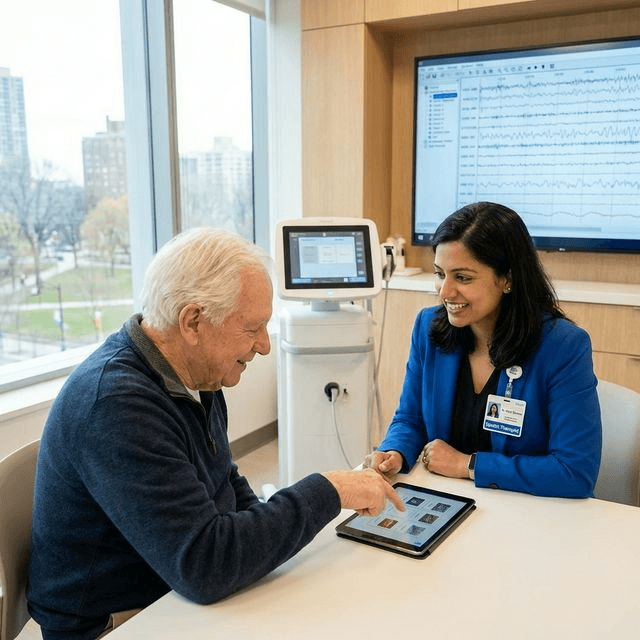
Sensory Integartion
Specialized Sensory Integartion services for children.
ABA
Specialized ABA services for children.
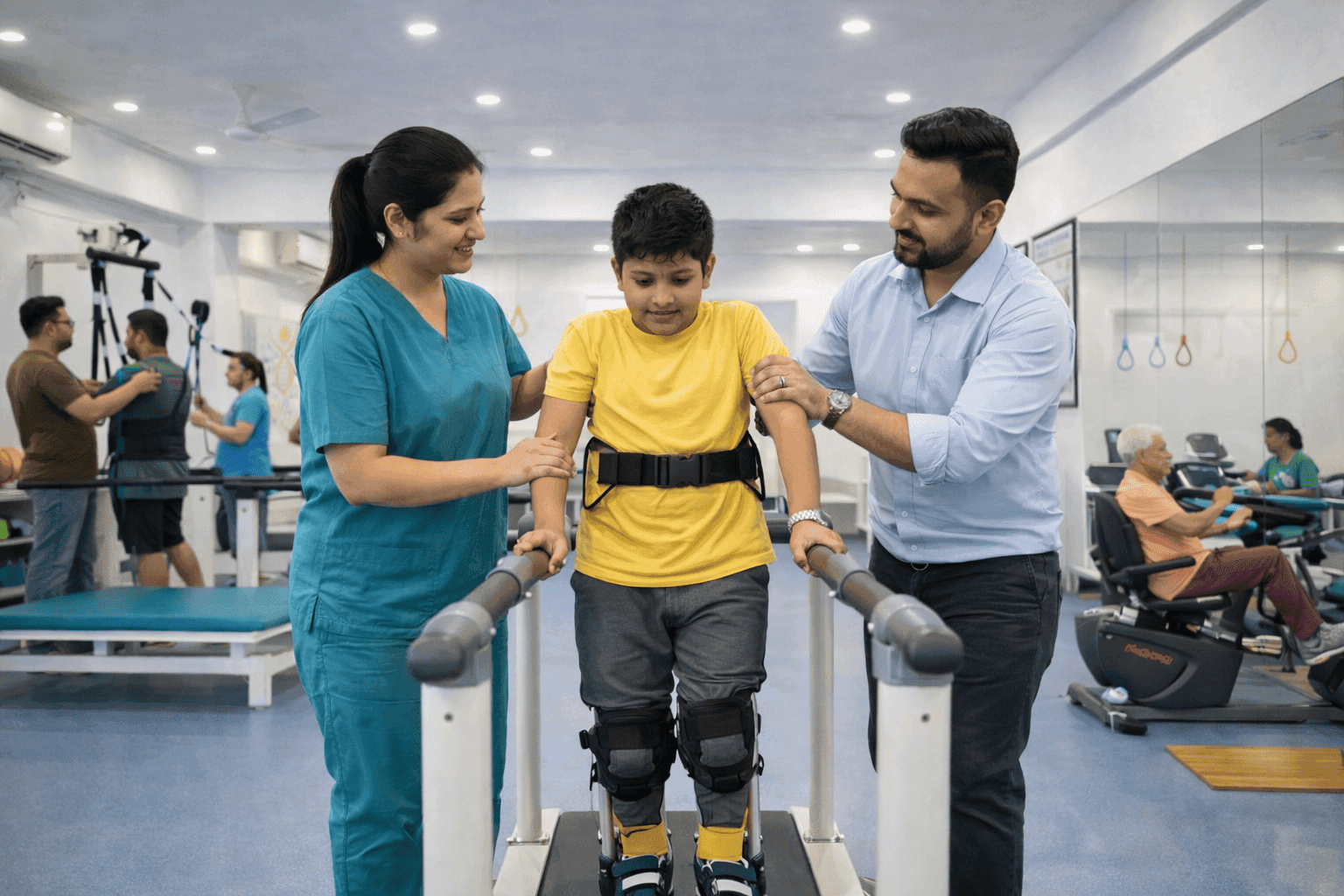
Cerebral Palsy
Adult cerebral palsy rehabilitation focuses on managing long-term motor challenges, improving mobility, reducing stiffness, and enhancing functional independence. At Neuromotion, therapy programs are individualized to address spasticity, muscle weakness, balance deficits, and gait abnormalities. Treatment may include stretching, strengthening, postural training, gait re-education, and robotic-assisted walking where appropriate. Adults with cerebral palsy often benefit from programs that prevent
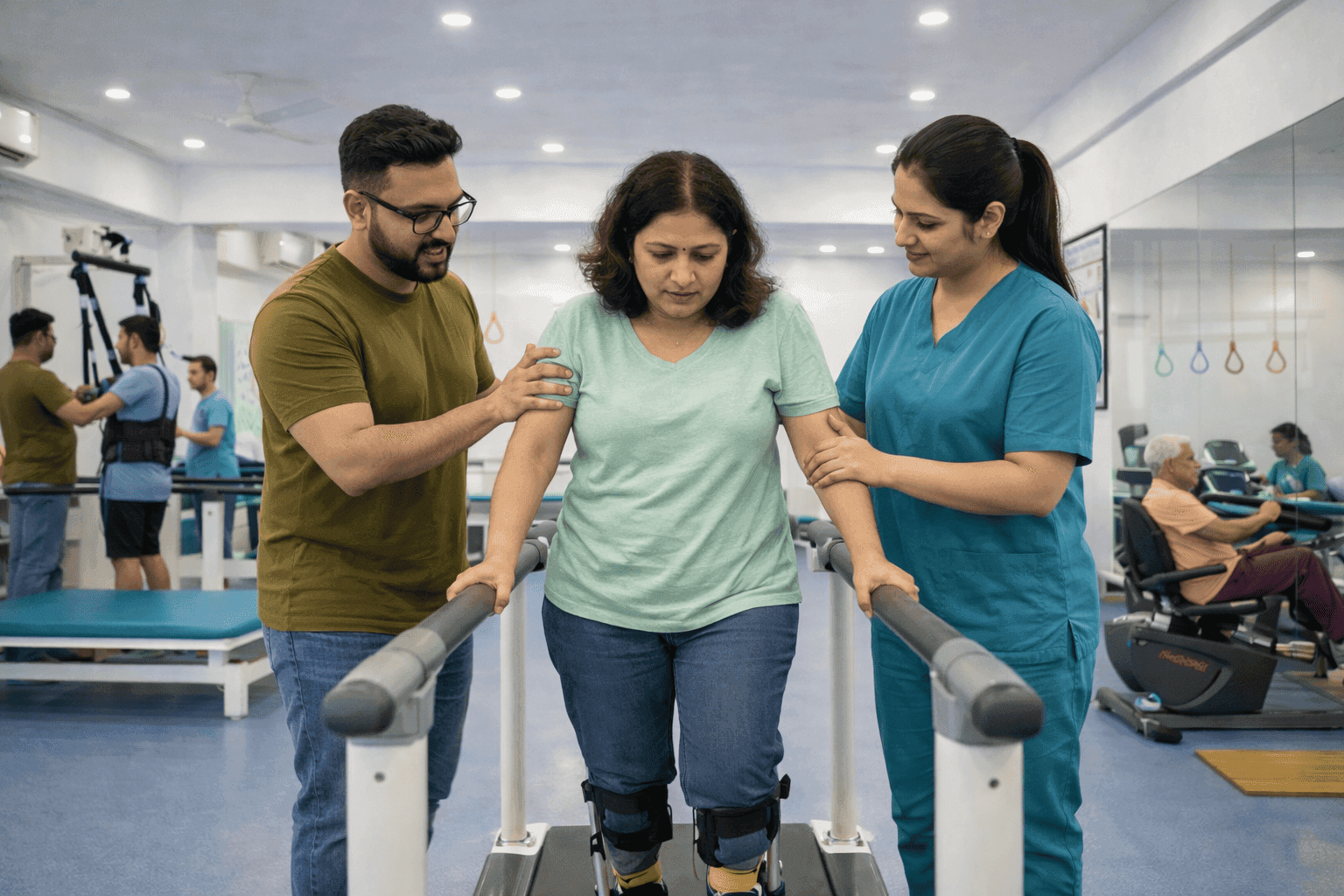
Ataxia
Physiotherapy for Ataxia focuses on improving coordination, balance, stability, and functional mobility. At Neuromotion, treatment programs are tailored to address unsteady gait, poor coordination, tremors, and postural instability commonly seen in ataxia. Therapy includes balance training, core strengthening, coordination exercises, gait training, and task-specific functional practice. Where appropriate, advanced technologies and supportive devices are incorporated to enhance safety and outcome
Special Education
Specialized Special Education services for children.
Child Psychology
Specialized Child Psychology services for children.
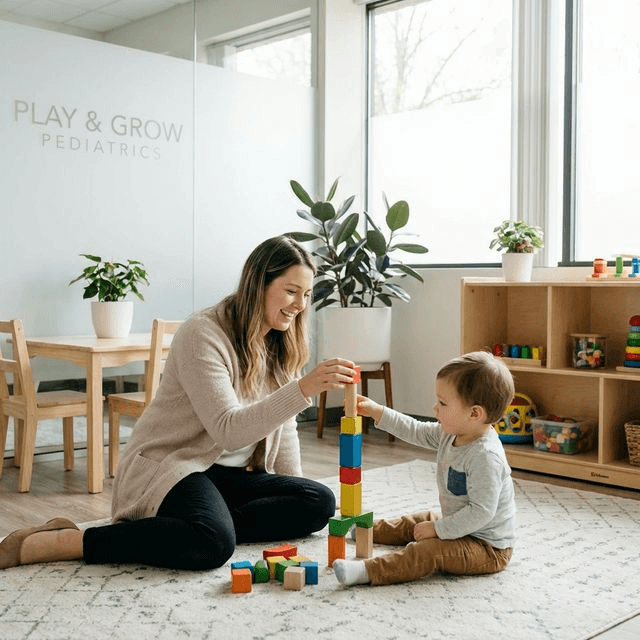
Autism Care
Specialized Autism Care services for children.
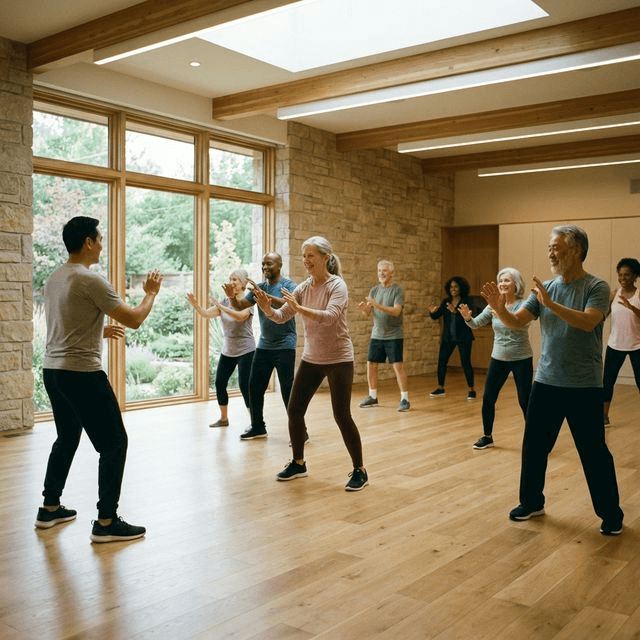
School Readiness Programme
Specialized School Readiness Programme services for children.